
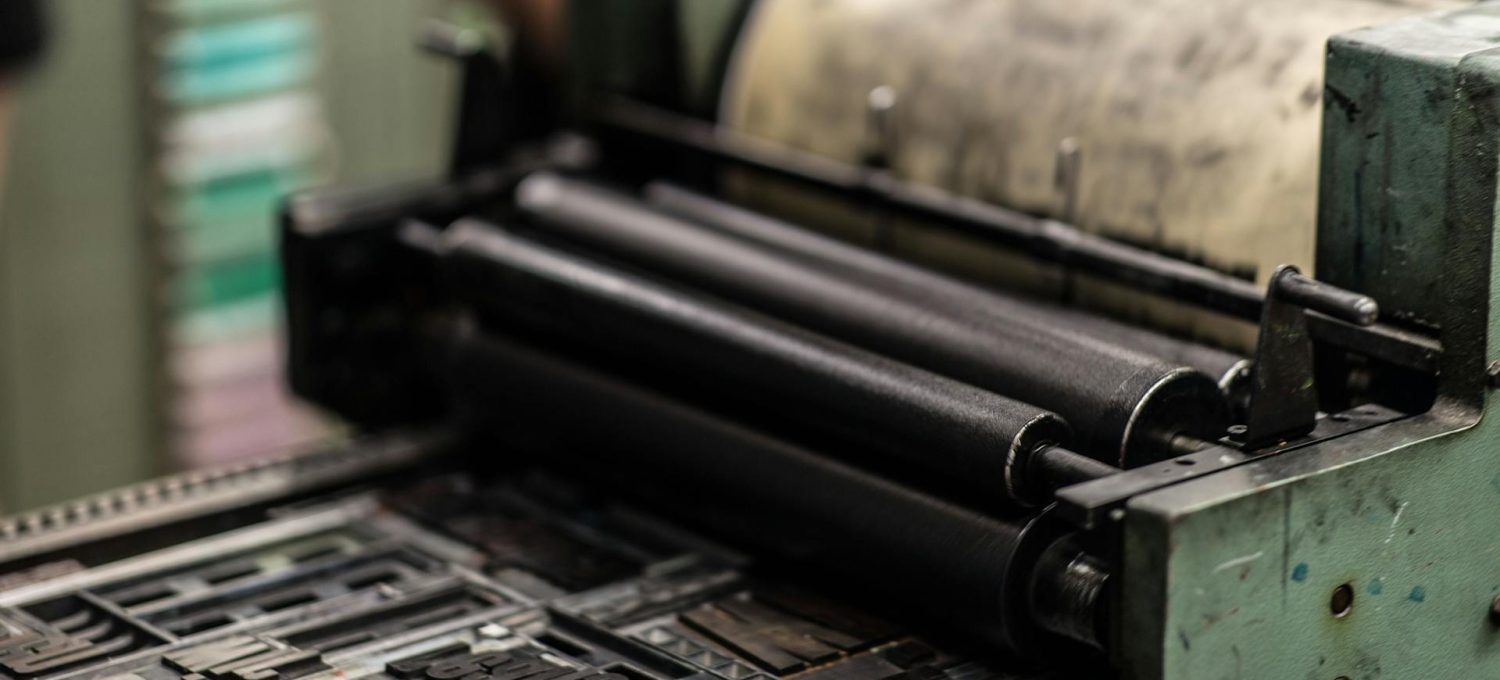
Printing technology has undergone a remarkable transformation since its inception, evolving from rudimentary manual presses to sophisticated digital machines. What was once a slow and labour-intensive process is now an essential component of modern life, enabling everything from home office printing to large-scale commercial publishing. Read on to see exactly how printing has changed over time.
The early beginnings
The history of printing begins with woodblock printing, which originated in China around the 7th century. This method involved carving entire pages of text into wooden blocks, which were then inked and pressed onto paper. While effective, it was hardly efficient. The breakthrough came in the 15th century with Johannes Gutenberg’s invention of the movable type printing press. This allowed for the mass production of books and other printed materials, revolutionising the spread of knowledge across Europe.
The industrial revolution and mechanisation
By the 19th century, printing had become faster and more mechanised. Innovations such as the steam-powered printing press and rotary press allowed for large quantities of newspapers and books to be produced at unprecedented speeds. These advancements helped to fuel literacy rates and made printed media more accessible to the public.
The rise of digital printing
The late 20th century brought about another seismic shift with the introduction of digital printing. Unlike traditional offset printing, which requires plates, digital printers can reproduce images directly from electronic files. This allowed for shorter print runs, faster turnaround times and greater customisation options, ideal for businesses and consumers alike.
Inkjet and laser printers became staples in both homes and offices during the 1990s and early 2000s. Laser printing, in particular, offered high-quality text output and reliable performance, cementing its popularity in professional settings. Models like the HP Colour LaserJet Pro series exemplify this evolution, offering multifunction capabilities and wireless connectivity. For those who own this type of printer, sourcing the right toner is essential. For example, the M479fnw toner is designed specifically for the HP Colour LaserJet Pro M479fnw, ensuring optimal performance and vibrant print results.
Smart and sustainable printing
More recently, the printing industry has embraced smart technologies and environmental sustainability. Printers can now connect to cloud services, support mobile printing, and even automate supply orders when toner runs low. Sustainability has also become a priority, with many manufacturers focusing on energy efficiency and recyclable components.
3D printing is another exciting development, although it serves a different purpose than traditional document printing. With applications in healthcare, engineering, and even food production, 3D printing is opening new possibilities and redefining what “printing” means.
Final thoughts
From hand-carved wooden blocks to intelligent wireless machines, the journey of printing technology reflects broader trends in innovation and user convenience. While many people take their home or office printer for granted, it’s worth appreciating the centuries of development that have made today’s printing solutions so efficient and accessible. Whether you’re printing a business report or a family photo, it’s all made possible by the continuous evolution of this essential technology.