
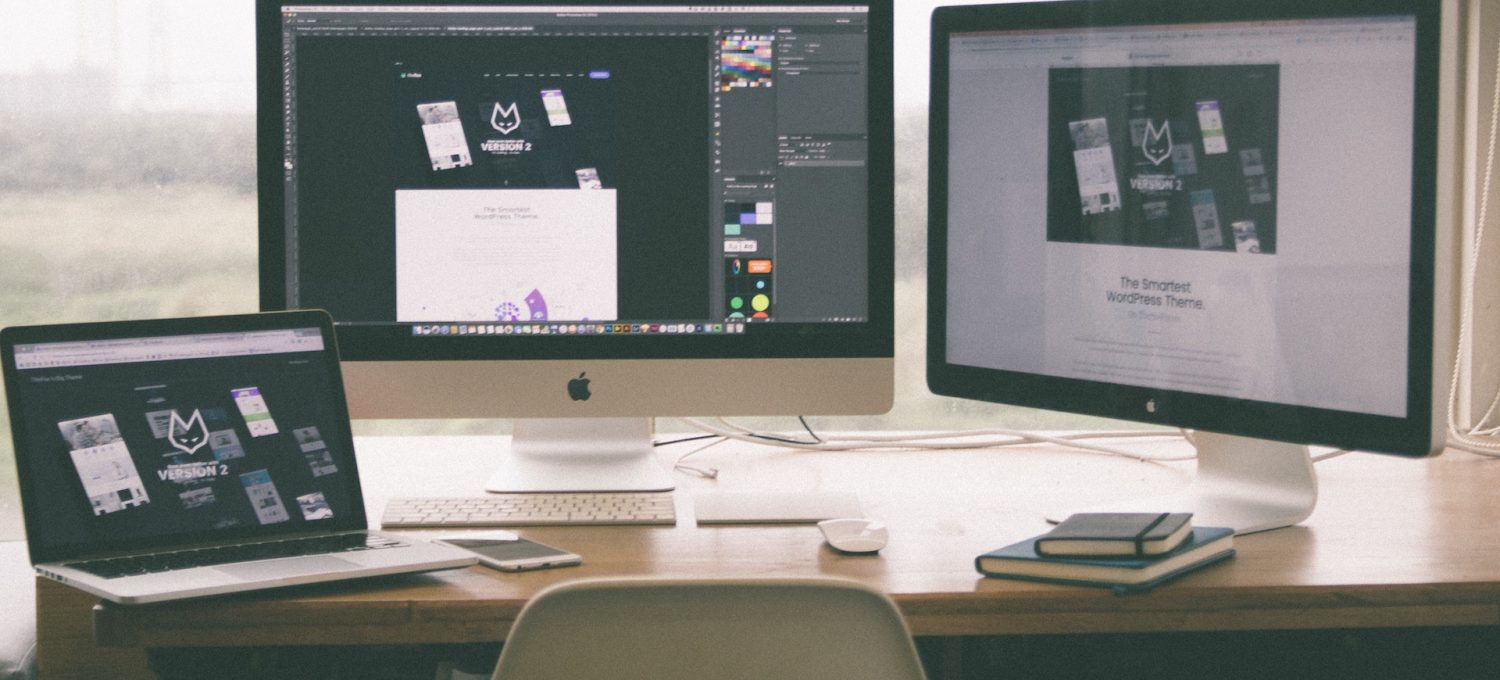
In today’s digital age, every business whether a startup, small enterprise, or global corporation needs a strong online presence. A website is more than just a digital business card; it is a platform that communicates brand values, builds trust, and attracts potential customers. The quality of company website design directly influences how a business is perceived and how effective it is at converting visitors into clients or buyers.
Why company website design is essential
Every organization, regardless of size or industry, needs to build a strong online presence. For many customers, the company website is their very first interaction with a brand. The quality of this interaction can determine whether they continue exploring or immediately look for alternatives.
A poorly designed site can frustrate users, damage credibility, and hurt business goals. On the other hand, a polished, responsive, and user-friendly website builds confidence and creates a positive brand impression. Professional company website design helps to align digital presence with business identity, ensuring that visitors experience a brand consistently across all touchpoints.
The key components of effective company website design
An effective company website is built on several core elements that work together to create a professional and engaging experience.
- Responsive Layouts ensure the site adapts to all devices, including desktops, tablets, and smartphones.
- Clear Navigation allows visitors to move smoothly from one section to another without confusion.
- Strong Visual Branding incorporates logos, fonts, and color palettes that reflect company identity.
- Optimized Loading Speed reduces bounce rates and keeps users engaged.
- Compelling Content communicates brand values and offerings in a concise yet engaging way.
- Effective Calls-to-Action guide users toward desired outcomes such as purchasing products, contacting the company, or subscribing to newsletters.
Together, these elements create a foundation that supports both user experience and business objectives.
Benefits of professional company website design
Investing in expert design brings long-term advantages. One of the most immediate benefits is credibility. A sleek, modern site signals to visitors that the company is reliable and established. Customers are far more likely to trust a business with a professional online presence than one with an outdated or confusing website.
Professional design also improves customer engagement. A well-structured site encourages visitors to spend more time exploring, which increases the chances of converting them into loyal clients. Strategic layouts, strong visuals, and intuitive navigation make the journey enjoyable rather than frustrating.
Search engine visibility is another significant benefit. Search engines prefer websites that are mobile-friendly, fast, and technically optimized. A professional design team integrates these features from the start, increasing the chances of ranking higher in search results and attracting organic traffic.
Finally, professionally designed sites are scalable. As businesses grow, they often need to expand their digital platforms. With proper planning, a company website can evolve to include new services, integrate additional tools, and support higher traffic volumes.
Types of company website design
Not all businesses require the same type of website. Different goals and industries demand tailored approaches. Some of the most common types of company website design include:
- Corporate Websites for large organizations that require professional branding and detailed information about services, leadership, and values.
- E-commerce Websites for companies selling products online with secure shopping carts, payment gateways, and user-friendly catalogs.
- Portfolio Websites for creative firms or professionals showcasing their work.
- Service-Oriented Websites for companies providing professional services, highlighting expertise, testimonials, and easy ways to contact the business.
- Startup Websites for new businesses seeking affordable yet modern solutions that can grow with time.
- Landing Pages created for specific marketing campaigns to capture leads or promote single products.
By choosing the right type of company website design, businesses can ensure that their online presence aligns with their objectives.
How to choose the right partner for company website design
Selecting the right design agency or professional is as important as the design itself. Businesses should carefully evaluate potential partners before making a decision. A strong portfolio is a good starting point, as it reveals creativity, technical skill, and experience across industries.
Client testimonials and reviews provide valuable insights into how reliable and professional a company is. They highlight strengths in communication, project management, and post-launch support.
Businesses should also look at the range of services offered. The best design partners provide not only visuals but also technical development, search engine optimization, and long-term maintenance. Choosing a team that offers end-to-end services reduces the need to juggle multiple providers.
Another critical factor is communication. A good design partner takes time to understand business goals and translates them into effective digital solutions. Clear communication helps avoid misunderstandings and ensures that the final product aligns with the vision of the company.
Current trends in company website design
The design world changes rapidly, and modern websites must stay aligned with current trends to remain competitive.
One of the most significant trends is mobile-first design. With most users accessing websites from mobile devices, layouts must be created with smaller screens as the priority rather than an afterthought.
Another growing trend is minimalist design. Clean layouts with bold typography and white space provide clarity and professionalism. Simplicity often improves usability and keeps the focus on the message.
Interactive features are also becoming standard. Video backgrounds, scrolling effects, and chatbots make websites more dynamic and engaging. When used strategically, they enhance the user experience rather than distract from it.
Accessibility has gained prominence as well. Companies are realizing the importance of creating inclusive websites that can be used by people with disabilities. Accessible design not only broadens the audience but also reflects positively on company values.
Finally, data-driven personalization is becoming more common. Modern websites can adapt to individual users by showing tailored content, recommendations, or offers based on behavior. This level of customization enhances relevance and engagement.
Common mistakes to avoid in company website design
Even with the best intentions, businesses sometimes make mistakes that undermine their digital presence. A frequent issue is prioritizing appearance over usability. While aesthetics are important, functionality should always come first. A beautiful website that frustrates users will fail to achieve its goals.
Another mistake is ignoring mobile optimization. With mobile traffic surpassing desktop usage, businesses cannot afford to neglect smaller screens. Sites that are difficult to use on smartphones lose valuable potential customers.
Overloading websites with excessive features is also problematic. While it may be tempting to add animations, pop-ups, and complex menus, these elements can overwhelm users and slow performance. Simplicity is often more effective.
Finally, many businesses overlook ongoing maintenance. A company website is not a one-time project. It needs regular updates, security patches, and performance improvements. Neglecting maintenance can lead to vulnerabilities and an outdated user experience.
Steps for building a successful company website design
Creating a powerful online presence involves a structured process. Businesses can follow these steps to ensure successful outcomes:
- Define Goals: Identify what the website should achieve, whether it is brand awareness, lead generation, or online sales.
- Understand the Audience: Research target users to design with their needs and preferences in mind.
- Choose the Right Platform: Select content management systems or frameworks that support long-term scalability.
- Collaborate with Designers: Work closely with professionals to align visuals and functionality with company branding.
- Optimize for Performance: Ensure fast loading times, mobile responsiveness, and SEO best practices.
- Test Thoroughly: Check usability, security, and performance before launch.
- Plan for Maintenance: Establish a schedule for regular updates and improvements.
By following these steps, businesses can create websites that not only look impressive but also drive measurable results.
Why company website design is a long-term investment
Unlike short-term marketing campaigns, a website continues to deliver value year after year. It serves as the central hub for all digital activities, from social media links to paid advertising campaigns. Every online effort eventually leads back to the company’s site, making it an essential part of long-term strategy.
Professional company website design ensures that this investment remains relevant and scalable. As technology changes and customer expectations evolve, the site can adapt rather than become obsolete. This flexibility protects the value of the investment and supports business growth.
Conclusion
In an era where first impressions are made online, company website design has become a cornerstone of business success. A professional, functional, and engaging site communicates trust, builds brand recognition, and encourages customer interaction. It is not simply about looks; it is about creating a seamless experience that supports long-term growth.
From responsive layouts and intuitive navigation to modern trends like personalization and accessibility, the principles of effective design are constantly evolving. Businesses that invest in professional services, avoid common mistakes, and commit to ongoing improvements ensure that their websites remain powerful digital assets.
A company’s website is more than a platform; it is a reflection of identity, a tool for engagement, and a driver of success. By treating company website design as a strategic investment, organizations set the stage for stronger digital presence and sustainable growth.