
There is a global concern about the gradual climatic changes. Different world summits have held countless topics on the need for sustainable energy. Adopting eco-friendly sources of energy at industrial and domestic levels can be game-changing. More tech companies are looking for ways to make their operations and products green. Environmental pollution will therefore be curbed through such environmentally friendly initiatives.
There are different ways in which companies are reducing carbon footprints from their operations. Some of them go to the extent of changing their operation policies to go green. More firms are joining in the campaign for adopting a sustainable and eco-friendly way of doing this. Here are 7 main ways through which technology is growing greener.
1. Use of renewable energy
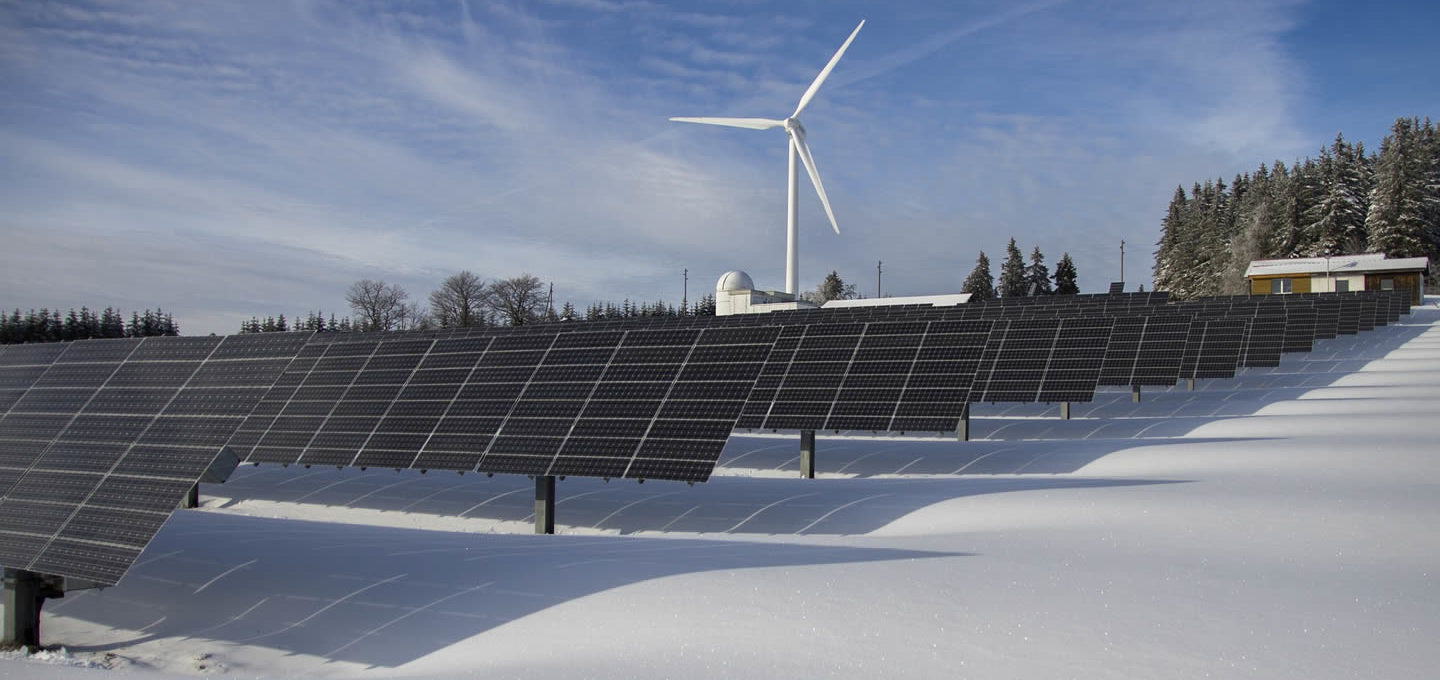
The powering of different systems in a commercial setting needs large amounts of power. The over-reliant on national grid power for energy indirectly brings about pollution. This is because their power-generation stations at times use fossil fuel in doing the work. Having a generator as a backup plan for a power blackout is a major cause of air pollution at the industrial level. Going green with solar is something seen as a potential in curbing carbon emissions into the atmosphere. Through technology, the harnessing of solar energy is becoming a reality in most commercial and domestic settings. Since the total energy requirement for a company or home may be large, solar energy may be used to offer a partial cover.
2. Reduction of paperwork
Many documentation processes are being handled digitally. It is common to find e-documents everywhere you go online. This has simplified many procedures for companies and clients. Besides bringing the convenience of time, it solves the issue of paperwork. It has gradually reduced the amount of waste produced from dealing with papers.
This in turn translates to gradually moving from the cutting of trees. It results in more forest cover which is good in improving atmospheric oxygen-carbon dioxide balance. These days, the payment of bills and tickets for concerts is taking place online. It adds to the reduction of paperwork.
There are modern communication channels nowadays at both the private and commercial levels. Managers, for instance, can pass a message to all employees through emails in a safe manner. Most of such digital methods are safer than the use of circulars and reminders.
3. Use of biodegradable products
The problem with most synthetic materials is that they interfere with the ecosystem negatively. Organic compounds tend to rot after decomposition which is healthy for the environment. The production of tech-products includes this idea. It is resulting in the use of biodegradable materials in making certain parts.
The phone covers are at times disposed of by people from time to time. There are modern ones which easily decompose when accidentally gets into the surrounding. The professionals at Ecofreek elaborate on the different types of biodegradable phone cases. This is how technology is powerful in bringing environmental protection.
Smartphones are used by around three billion people globally. Statistics show that approximately eighty percent purchase phone covers. Selling these covers means a lot to the conservation of the environment. More manufacturers are planning on how to make their brand biodegradable.
4. Teleconferencing
Holding meetings is part and parcel of any business. This is where consultations, discussions, and team-building comes from. Technology makes it easier for people to engage in a meeting without necessarily having to talk face-to-face. Teleconferencing allows video calls that are secure and time-saving. It saves a lot of travel between groups of people.
Carbon emission is not only from the usual industrial activities but also from vehicle emissions as well. Studies show that this form of air pollution is growing more. This is because there are more vehicles on the roads than in the past decade. Allowing people to work remotely with the help of technology is paramount.
5. Tracking energy consumption
The use of machines in normal operations is common everywhere. Proper records on the usage of power from different systems are necessary. This makes it possible to do the relevant adjustments for economic utilization. Small businesses are nowadays doing the tracking of energy consumption using IoT. This helps them in going greener. IoT stands for the network of machines that send data to central databases. These machines are outfitted with sensors.
The sensors are paramount in giving machines certain triggers automatically. For the refrigeration systems at the restaurants, the detectors may be used to maintain a certain constant temperature. This gradually reduces the chances of food wastes. It also saves the business owner finances.
6. Recycling and waste management
Waste from commercial and domestic settings needs proper treatment before being released into the environment. Dealing with huge volumes of waste especially at the industrial level tends to bring some challenges. New technology is improving the handling of such raw materials efficiently. Smart containers are one good example.
For solid wastes, sorting out the plastics from the biodegradables is necessary before disposal. It makes sure that the polymer products can be put together and recycled further. These days, there are optimal scanning technologies that assist with the sorting work. They do this efficiently and within a short time. There is also a wide use of waste food tracking systems that are automated.
7. Zero-emission vehicles

Air pollution from the automotive industry is a key source of the increment of global carbon footprint. Modern vehicles do not depend on fossil fuels for power, which pollutes the air when used. This makes them fit for the current century. They rely on electrical power as they are chargeable. There are more developments which are taking place to make zero-emission cars more efficient.
Other than carbon dioxide, diesel, and petrol-driven vehicles release carbon monoxide, nitrogen oxides, and other unburned hydrocarbons. The global usage of high-tech autos will gradually reduce the effluent levels by a huge margin. This is the future for the next generation of vehicles.
Going for the use of greener energy in our daily lives is essential in preserving the ecosystem. There are many campaigns globally on the need for renewable sources of energy. Technology has a crucial role to play in this. It has resulted in the use of tools that discourage the use of fossil fuels and reduce waste. Other efforts have also assisted in the reduction of paperwork.
Photographs by Adege / Goran Horvat