
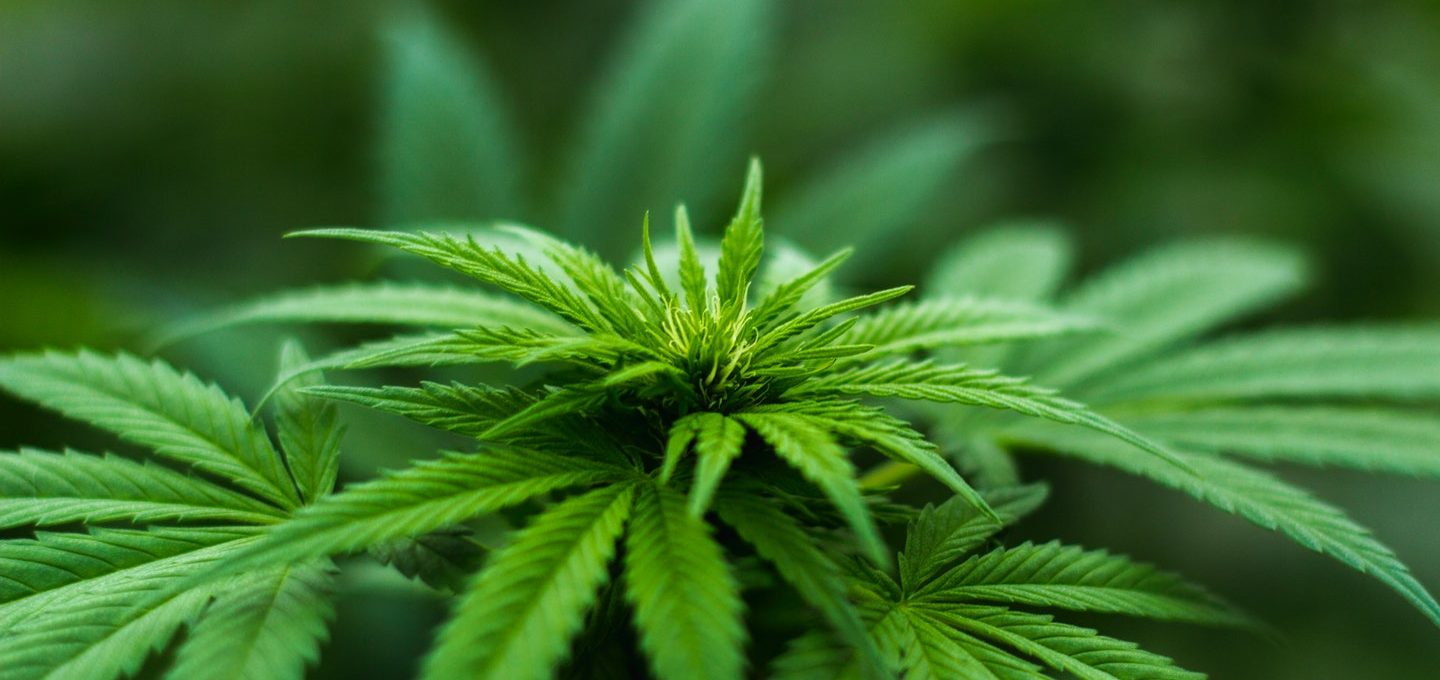
CBD products may not be a “tech” market in the traditional sense, but the industry is luring investment from venture capital firms with cannabis-based products a major growth market with huge consumer demand. The CBD market may not be able to provide the 80 per cent margeins and hockeystick-style growth of a software business, but the sector remains a major opportunity for growth.
According to the Orian Research Group, the CBD market in Europe is worth about €450m (£390m) today and is expected to grow to at least €1.5bn (£1.3bn) by 2023. Meanwhile, the more mature US CBD market is worth nearly $1.2bn (£870m) today, and will be on target to surpass $2bn (£1.45bn) by 2023.
How is CBD consumed
CBD oil is the most common form of cannabidiol on the market today, with small tincture bottles containing 25ml to 100ml how the majority of people will consume the substance. However, a variety of manufacturers are increasingly looking to add CBD to their products to set them apart from the competition, particularly in the wellness sector. And with over 7m people in the UK reporting to have used CBD products in the last year, the market for such products is huge.
Beyond the tinctures, CBD oil also comes in the from of capsules and soft gels to be taken orally, and topical creams to be rubbed onto the skin. CBD has also found its way into edibles such as gummies as well as beers and other food and drinks products, where the taste of the oil can be hidden, whilst consumers may still enjoy many of the benefits.
CBD vaping has also become increasingly in recent years. Device manufacturer are creating lines of products, like the CBDfx vape kits, where the liquid is heated to a lower temperature to specifically take into account the different burning temperature of the oil.
Regulations remains a real obstacle to growth
CBD is a compound found naturally in cannabis, which remains a classified substance in the UK and in many countries around the world. However, CBD products generally do not contain any THC, the psychoactive element in cannabis that makes the plant a popular but illegal recreational drug worldwide, and have been approved for sale for medical purposes in many jurisdictions.
In the UK and many EU countries, CBD oil is sold as an off-the-shelf “wellness” product, but there are major variations in the claims CBD manufacturers are allowed to put on their products. New studies about the effectiveness of CBD in treating everything from chronic pain to superbugs are promising, but more research will be required before food and health bodies in many EU nations will permit manufacturers to promote such claims.
The US is further ahead in regulations, and with Brexit putting the UK outside the European Food Safety Authority (EFSA), the UK could soon catch up. A move from the current “wild west” to a regulated market will protect consumers, not simply to make sure all CBD products are THC-free, but also that they contain the amount of CBD they claim – something which is currently mostly unverified.
Photograph by Michael Fischer