
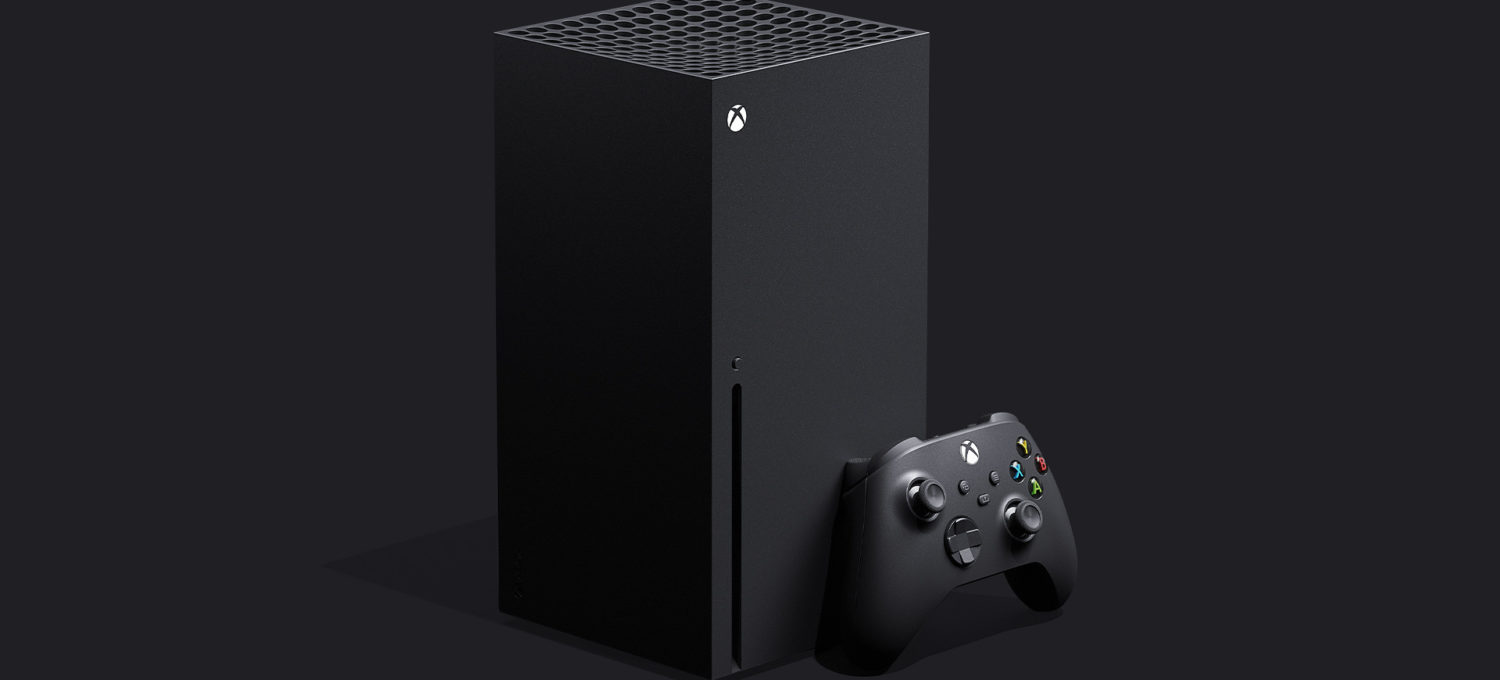
Microsoft’s cloud gaming service has made some big changes recently as it upgraded possible performance levels to new heights. Formerly confined to Xbox One (the third Xbox) levels of power, this new upgrade allows cloud gaming titles to reach theoretically the same level of performance as the Xbox Series X. Since the Series X represents the most powerful gaming console in Microsoft’s repertoire, this change represents a huge step up.
What is cloud gaming?
The best way to explain cloud gaming to outsiders is to compare it to video streaming services such as Hulu or Disney+. The big difference is that, with game streaming, it’s not just audio/visual data being sent one way. Instead, game streaming is a two-way street, where input is taken from a controller on the player’s end, sent to the server, processed, and sent back. The hope is that this will mirror an authentic gaming experience, and in some ways, it succeeds.
On a practical level, another strong example could come from online casino games. These games are designed to be small and efficient without sacrificing quality, essentially creating instant play over a range of different devices. However, these differ from Microsoft’s offerings in certain areas such as how they use offers such as bingo promotions to attract new customers, but in terms of how they play, this is the ideal to which game streaming strives.
Is the Microsoft upgrade worth It?
This is the question with game streaming services, and its answer depends on highly variable circumstances. Consider a perfect use case as an example. For someone with a fast fibre connection who lives close to Microsoft’s servers and only plays turn-based games, the answer is yes. In this situation, there are practically no downsides to streaming, so the increase in fidelity would be easily appreciated. Of course, few users will be this lucky.
For users with slightly slower or less consistent internet connections who aren’t right next to Microsoft servers, bandwidth and latency could be a killer. This would be especially pronounced if the user preferred fast-paced games, which struggle with even the minimal latency that game-streaming presents. Sure, these users might see a big upgrade in visual fidelity in some places, but if the gameplay still struggles then no improved graphics will matter.
Another potential problem comes from the higher frame rates that Xbox Series X can support in some games. As was seen in Microsoft’s solution, as well as other systems like Stadia, an increase in frame rates, especially at higher resolutions, can massively increase the load on internet connections. For those users after 4K resolutions at 120 FPS, this toll would be enormous, and essentially impossible on many average connections.
“Xbox Series X” (Public Domain) by ru3chInitiative
As a method of playing games, streaming represents immense potential in an increasingly connected future. For now, however, its shortcomings can be showstoppers for many users. With that in mind, if you’re a fan of slower-paced games and you don’t have the time, space, or money to buy a console, then Microsoft’s upgrade could be exactly what you need. Just don’t expect to reach a pro-gamer level by playing on streaming systems.
Photograph by RU3CH Initiative