
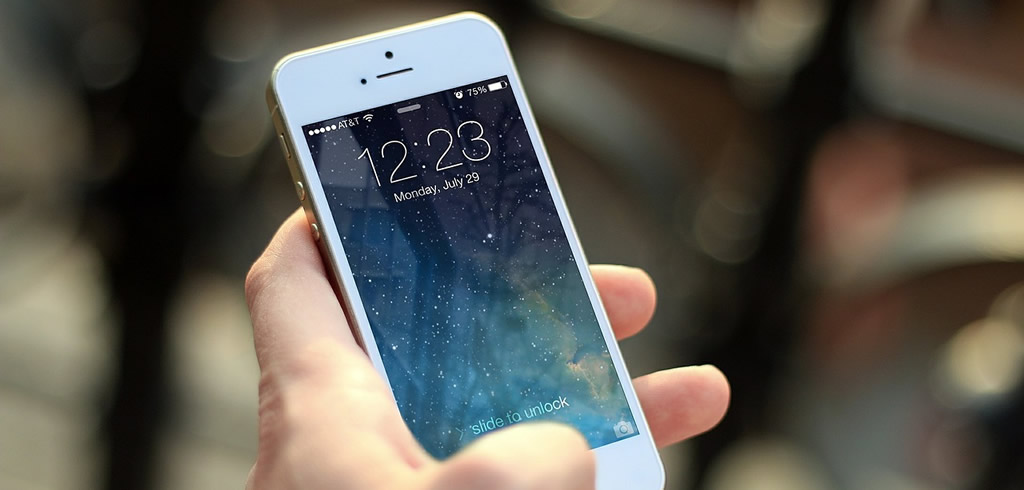
Apple has done a great job selling a product for a lot more than it costs to make. Their Foxconn factory over in China churns out millions of PCBs for their phones, all at ultra low cost. Yet the price of the handsets remain high and look set to go even higher. Why is this?
Well, it’s mainly driven by customer tastes. People want a premium brand. They want something that feels and looks exclusive. And Apple has been doing this ever since they released the iPod back in the day. But Apple has also been adept at building an extensive and loyal customer base. If Apple released a phone in the style of the fifteen-year-old Nokia 3310, we’d all be surprised if Apple customers didn’t buy it.
There have been well-publicised attempts to dethrone Apple with value products. Google, now the world’s most valuable company, tried to muscle in on Apple’s territory with the Nexus line. These phones contained much of the same internals as iPhones. They had all the support of the Android system. And they looked good. But, for reasons, still unknown to many marketers, they never had the impact that Google expected. Beyond tech websites, not all that many people had heard about Nexus phones. And even if they had, they weren’t all that excited.
The problem was, and still is that Google has not built a following of loyal followers. Apple has. In the smartphone market, Apple has about 20 percent market share. This might not sound too impressive until you consider the fact that Apple collects about 80 percent of the industry profits. Apple customers, in other words, are prepared to pay pretty much whatever is asked to buy the latest Apple product. It doesn’t matter if other smartphones are faster, have better internals or are cheaper. They are loyal because they know that Apple delivers.
We can see the technology premium at work in other markets too. Audio products, like Grado headphones, come in ultra exclusive varieties. And other big players, like Acer with their new widescreen PC monitors, have redefined luxury. If the market in 2016 is anything to go by, premium brands are going strong.

But there is another trend at work. One that appears to be a lot more menacing, and one that threatens these brands. Worryingly for Apple, orders for the new iPhone 7 are down. And other brands, including Acer, have had to reduce the price of their premium offerings. Even in the graphics space, companies like AMD are admitting that consumers can’t afford to fork out for the most powerful PC internals. Just like with the iPhone 6, it looks like Apple will have to offer a cut-price alternative to the iPhone 7.
So are we about to see a switch towards value products? It looks likely. It seems that right now, the young, who are the primary consumers of premium products, are being squeezed. In most developed countries, actual unemployment among the young is running at about 25%. And that means that many don’t have the money to go premium, though they might desperately want to. Companies know that the wealth of their target market is declining and that they can’t expect the same rate of growth in premium tech sectors.

At the same time, the non-premium market is increasing in capability all the time. This puts the premium market in a predicament. How much longer can it claim to be adding value over and above that which can be attained in the value segment?
Let’s just take the case of computer gaming, the market that tends to push the envelope of PC performance. Right now you can go out into the market and spend £600 on a range-topping graphics card. But the biggest graphics card manufacturer, Nvidia, has already said that the future of graphics lies in the cloud. They don’t expect gamers to continue to spend thousands on computer equipment in the future. Rather, gamers will tap into graphics resources through their internet connections. And this is already happening.
Just like other markets have premium segments, so too will the technology market. But with falling incomes among its target audience, it’s no longer going to be mass market. Rather, premium offerings will retreat to their traditional place on the exclusive fringe.
As mainstream products continue to improve, the likes of Apple will struggle. They’ll find it harder and harder to add extra value. We’re going to be saying goodbye to the era of mass luxury in the tech space sooner rather than later.
Photographs by JESHOOTS, Jonathan Grado, SF