The truth is out – digital security is just as important as physical security. Today’s hackers are much more aggressive and resourceful when it comes to stealing your data. Even if you are just a private individual, your data is worth a lot on the black market, meaning you are still a candidate for hackers to get to.
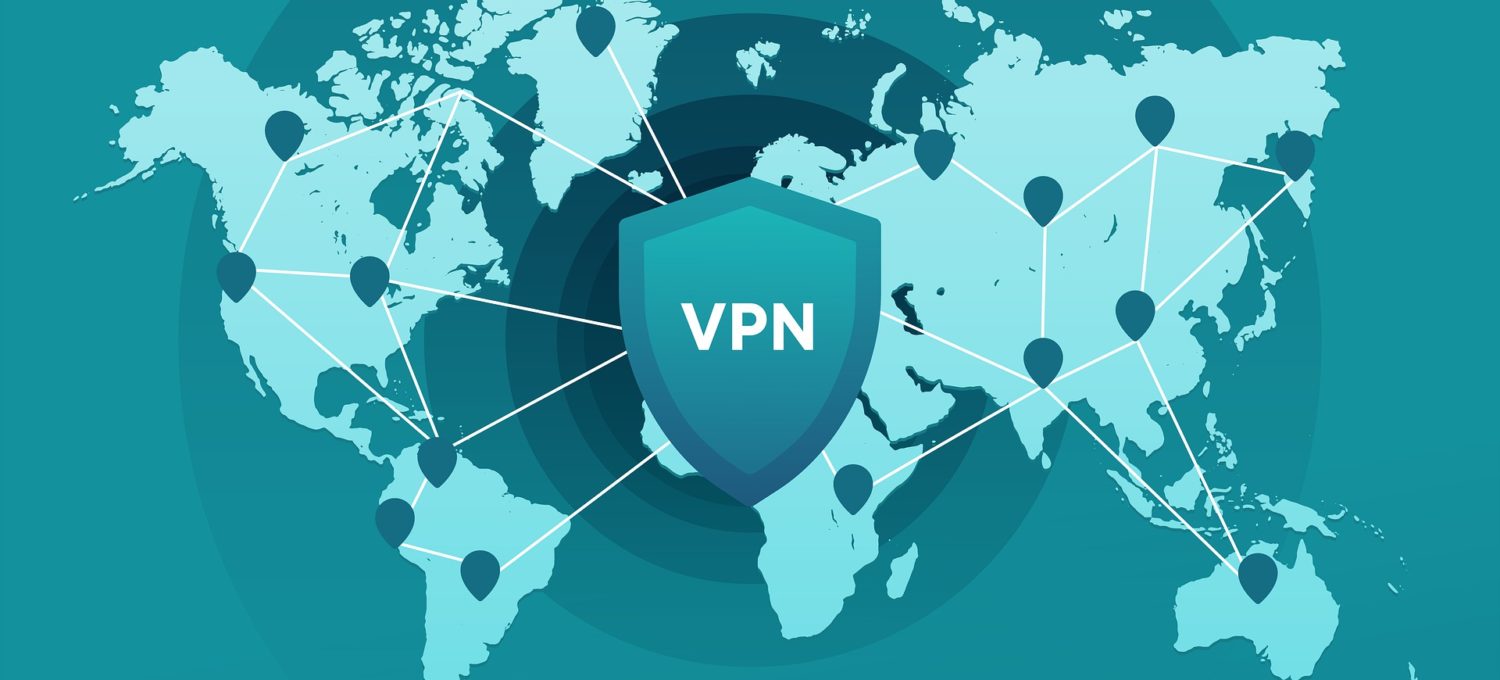
There are many ways you can protect yourself online. Aside from avoiding public connections or entirely avoiding connecting to other Wi-Fi instead of the one at home, you can also opt to use a VPN. This tried and tested solution has long been preferred by many as a means to keep themselves safe and anonymous online.
What is a VPN?
A VPN or a virtual private network is a digital security tool that mostly caters to private individuals. What it does is that it creates a private network whenever you connect to Wi-Fi. There are many benefits when using a VPN other than keeping your data safe and secure. Here are other reasons why you need to have it installed on all of your devices.
This kind of software uses encryption to jumble up the data that is sent over the wi-fi network you are connected to. Once encrypted, the data will be unreadable, thus masking your identity online. This makes VPN the perfect companion especially when you are connecting to public wi-fi networks.
Even if you are connected to your home wi-fi, it’s often advisable to use a VPN as it helps protect you from hackers that have silently connected to your server. Of course, a VPN isn’t necessary. It’s an optional means of protection that you should highly consider as the benefits are great.
The service has been around for years now. Its undeniably reliable benefits make it a catch even for those that aren’t fully familiar with the service. Cybercriminal cases are at a high and they are continuing to rise annually. Are you sure that your data and information is secure? Are you willing to compromise your most valuable data?
Let’s take a look at the benefits of VPN and why it matters that you are protected by it.
It can hides a lot of things about you
VPN essentially turns you into an anonymous person when browsing online. This is one of the first things you learn about VPN. It’s also the primary purpose of the solution. Here’s exactly what VPN hides.
1. IP Address
This is the most important piece of data that a VPN hides. An IP address is basically what’s given to your network at home. Through it, people can find your location, track what you search for, and do so much more. With VPNs, your IP address will be completely untraceable, thus allowing you to surf the internet freely without worries.
2. Browsing History
Your browsing history can be used against you. It helps hackers determine the stuff you buy online. It also helps hackers determine what your browsing habits are. It may not seem much but hackers can do a lot of things with the data they gather through your browsing history so it’s best to keep it hidden.
3. Location
Some streaming services and other online services monitor your location. For instance, Hulu is not available in every country. On Netflix, the shows you can see are dependent on your location. When VPN hides your location, you’ll be able to access content and location that’s typically not available elsewhere.
4. Devices
It goes without saying that VPNs are able to hide your devices as well. When you connect to a public connection, your data and device become vulnerable to attacks from cybercriminals. With the protection of a VPN, your devices are safe from these hackers. Hackers love getting into smartphones, tablets, and laptops.
5. Everything You Do On The Internet
To put it simply, VPNs are capable of hiding everything you do on the internet. This includes the forms you answer, the photos you save, and the people you talk to. If you’re worried about exposing your data to hackers and other cybercriminals, then it is a must that you install a VPN on your device.
The best possible security online
To begin with, some of the pros of VPNs is basically everything we’ve stated above. There’s nothing more valuable online than your data and your privacy. VPNs give you both of this in-one-go. Whether you’re a private individual or someone with a lot of important assets online, the software serves as a great wall between you and hackers.
The list is long with regards to the extent of protection you get from VPNs. Millions of users get hacked annually and you can be one of them. What’s worse is that some people aren’t even aware that their data has already been compromised. Cybercriminals use this data for various sinister purposes such as fraud and identity theft.
It’s best that you partner VPNs with other precautionary measures such as anti-virus software and firewalls. This will make it harder even for malware to get to your device. It’s not in any way overkill. VPNs are there to keep intruders away. However, the links you click and the things you open online could still have risks in tow.
Access to region-locked services and content
VPNs also lets you browse the internet under the guise of other locations. This helps protect you even further but it’s not just that.
Some people use VPNs to access content on streaming sites that aren’t available in their region. Whether you like it or not, some regions have a broader selection of TV shows and movies. Aside from this, VPNs also give you access to services that are not always available to your region.
Currently, Disney+ isn’t available in many counties but through VPN, people in those regions can access them easily. For Netflix, you can access a wider library of content which are also exclusive in other parts of the world. If you’re traveling abroad, you may want to use VPN to enjoy some of the services that you enjoy in your home.
It can help save you money
That being said, internet research also shows that VPNs can help save you money. The price of streaming and other online services varies from country to country. If you look well enough, you’ll be able to find regions wherein subscription fees are way cheaper. This is a little trick that many users do to cut costs on many services.
Of course, it’s a given that you are freeing yourself from the inevitability of being hacked and having your data stolen. Recovering your data is costly. Losing your data entirely is even more expensive. With VPN, you’ll have a lot less to worry about with regards to your data and its security.
Makes file transferring secure
Like in the movies, hackers can steal the files you are sending or receiving as the process happens. This may come as a surprise to you but this does happen regularly which is why it’s imperative that you protect the network that the file is going through. This is where VPNs shine as well.
A VPN can protect the file to prevent it from being stolen or accessed by another person. This is crucial for sensitive files such as confidential documents of companies, your personal details, flight tickets, and much more. VPN protects both ends of the file transfer as well.
Downsides of VPNs?
There are a few downsides to VPN as well. One of the first things you’ll notice when using a VPN is that your connection becomes considerably slower. This one of the effects of VPNs as data undergoes extra processes before it reaches you. It becomes even slower when you are using VPN as a means to geolocate your device.
The good news is that as VPN technology is rapidly evolving, there are better options out there that protect you while ensuring that you browse at optimal speeds.
Another downside is that VPN services aren’t free. You typically have to pay for a monthly subscription when trying out a VPN service. You don’t have to worry though, even the best VPN services are affordable so don’t expect to sell an arm and a leg for them.
What’s even better is that VPN services often give you a trial month for free which helps you gauge the value of the service. It’s like internet research but it’s more in-depth and hands-on! If you think about it, however, you can spend a lot more if you try to recover your data so this subscription fee is nothing compared to what you can spend otherwise.
VPN is still a work in progress and there’s still a lot of research and development going on for it. It will only become better in the next years or so. Eventually, developers will be able to create a VPN that’s able to protect your data while ensuring that you are browsing at top speeds. Whether you need it or not solely depends on how much you value your private data.