
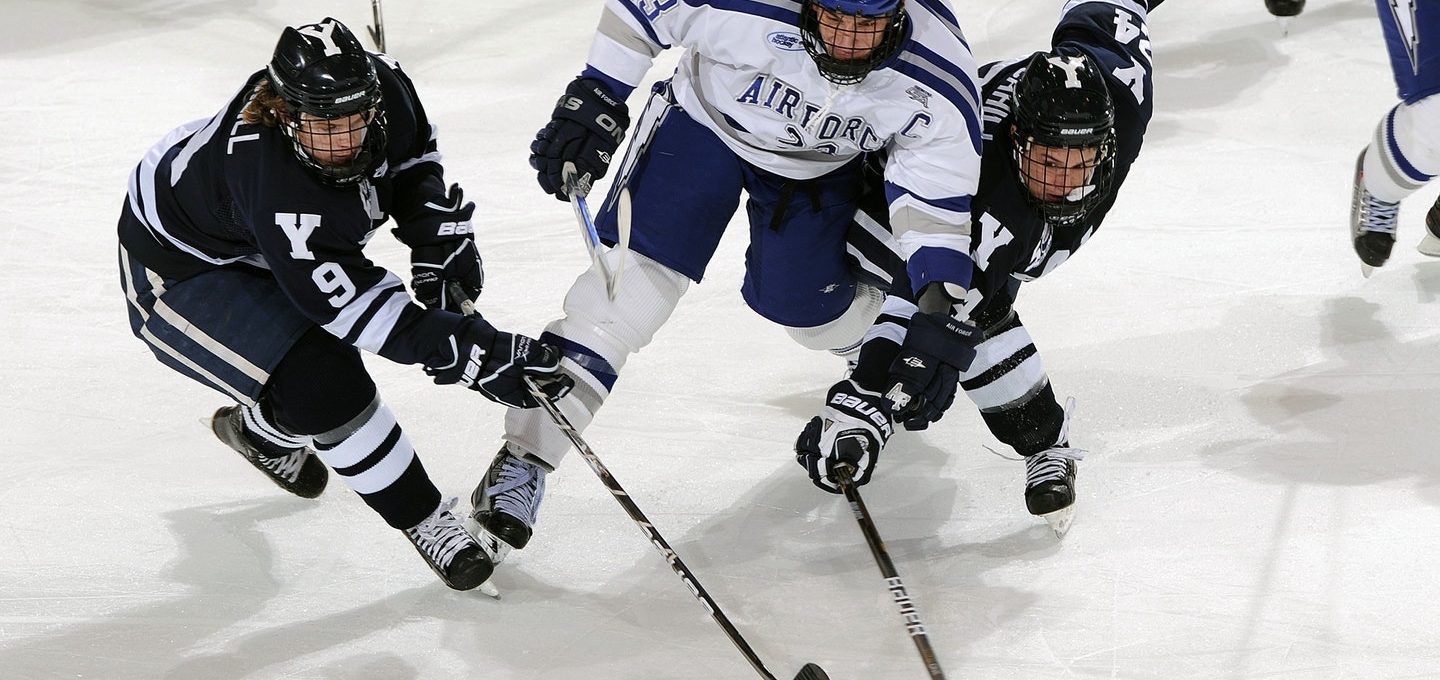
As of the 13th of October, the 2021/22 NHL is well and truly underway. The opening fixture saw the Stanley Cup winners of the previous season, the Tampa Bay Lightning, take on the Pittsburgh Penguins. Whilst the Penguins are a strong team, it was expected for the Lightning to begin this season as they ended the last one, and get a win under their belts straight away. However, that is not how it played out, as the defending champions were beaten 6-2.
In the Eastern Conference Atlantic Division, the Lightning have had a mixed start, having won 6, drawn 3 and lost 3 of their opening 12 fixtures. Strong wins over the Arizona Coyotes and the Detroit Red Wings have been undone with losses to the Toronto Maple Leafs and the Carolina Hurricanes. This inconsistency in results is certainly not helping to show the most positive stats so far in the season, making sports bettors nervous when they are looking at free NHL picks and odds in favor of the Lightning.
A team they certainly should look at are the Hurricanes, who have won 10 of their 11 games, putting them on top of the Metropolitan Division. Over in the Western Conference, the Minnesota Wild and the Edmonton Oilers top their respective divisions, having each won 9 games. It is really shaping up to be another incredibly exciting NHL season, and thankfully we have absolutely loads of games in the regular season left before we even need to start thinking about the playoffs.
The NHL is a forward-thinking league, always coming up with new ways to bring in new fans, and keep the old ones happy with what they are watching. This means shaking things up every now and then. Recently, the league was expanded, to include an entirely new side, the Seattle Kraken. The city of Seattle did previously have a professional hockey team, the Seattle Totems, but they ceased to exist back in 1975. So the Kraken were a welcome addition to the NHL, especially to the good people of Seattle.
It’s not just in terms of expanding the league that puts the NHL, they are also pursuing new technologies that can enhance the sport further, making it a much more modern game. They have done so by introducing a new tracking system, for both the players, and the puck used in the game. Want to know more? Read on to get all the details.
What exactly has been introduced?
To clarify, this isn’t the first time that puck tracking technology has been used in the NHL. A previous iteration was used in the last season, where each puck was fitted with a microchip. However, complaints soon began to come flying in from all angles, as the pucks didn’t slide quite right on the ice.
Now, we have these new pucks, which have six circles on both sides, which cover up tubes that enable infrared cameras to be constantly sending signals back to a computer, which enables the puck tracking system.
It is not only the pucks that can be tracked now, as the players too have been fitted with these trackers. On their backs, they will each be wearing a sensor that also feeds back data to the team’s analysts. In years gone by, this would have been a large cumbersome object, that the players would have refused to wear given its size and weight, impacting their performance, Nowadays, with technological advances, the sensors are only about the size of the average thumb, so that the players will hardly know they are wearing them.
This tech comes from a company called SMT, who have developed the systems. Each of the 32 of the NHL arenas will be fitted with transmitters, to capture the data the sensors in the pucks and on players are sending out.
What will this technology be used for?
So we’ve answered the what, now comes the why. All professional sports teams, not just NHL franchises, are always looking for new ways to analyse their players’ performances, to work out what they are doing well, and what could do with improving. This new tracking data will provide their analysts with information that wasn’t accessible previously.
From there, they can base their tactics for upcoming games on the date they have received. They can also alter players’ training plans, having them focus their minds on different parts of the games, depending on what the data is telling them.
While it will mainly be used by the teams and their army of analysts, it will also be accessible to folks watching at home, as the TV networks will also be sent this data, so they can display it during their broadcasts. So the average fan will be able to tell much more clearly who is really trying, and who is just skating around without putting in much of an effort.