
The world’s biggest tech firms are investing heavily in renewable energy to power their ever-expanding data centers that underpin much of the web.
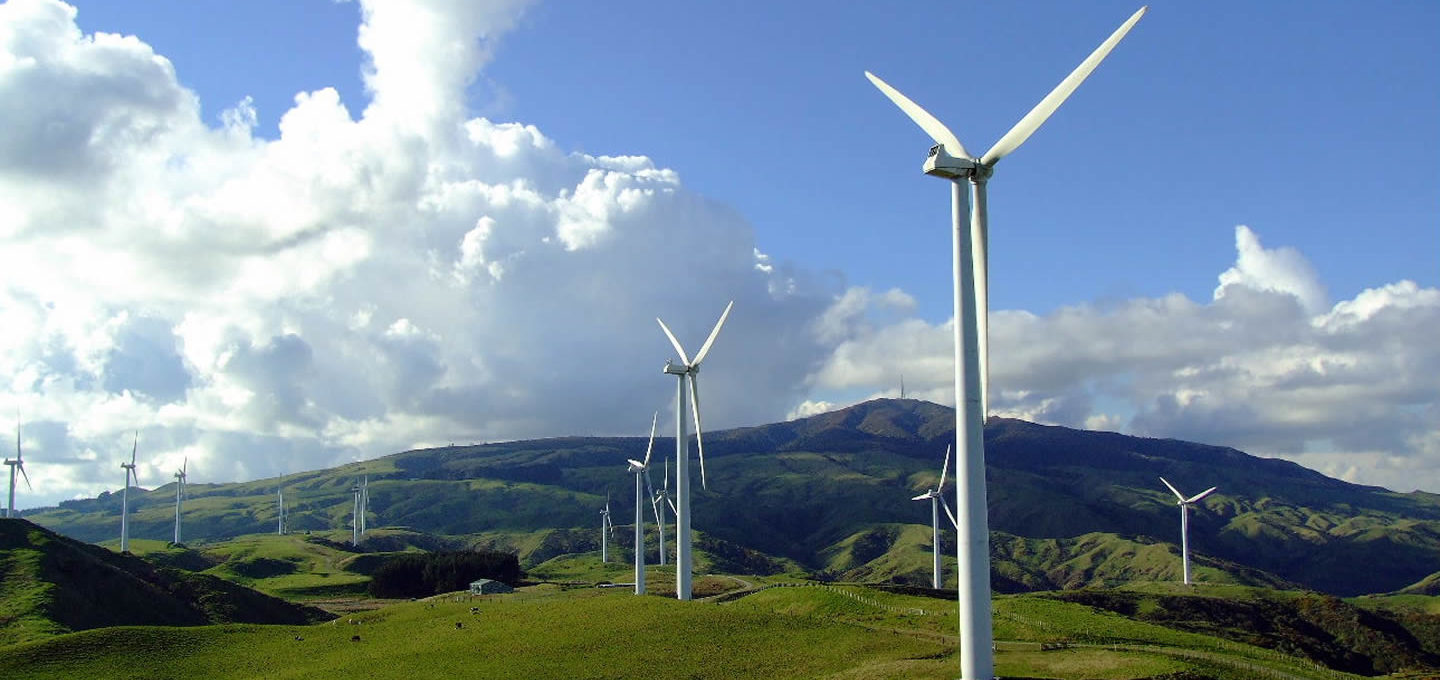
Tech giants such as Google, Amazon, Microsoft, and Facebook have all made significant steps to power their servers with energy from green sources such as wind, solar, and wave.
A report from BloombergNEF found that large tech firms have purchased enough clean energy over the last 12 years to overtake the entire capacity of countries such as Poland and Vietnam. These firms have long histories of investing in renewable energy, but over the last two years they have ramped up their purchasing three-fold. Last year, tech firms bought almost 25 per cent of the renewable energy sold to all corporate customers, with Google emerging as the largest buyer.
Alphabet (Google) chief executive Sundar Pichai last year announced the company had plans for 18 separate agreements to supply the search engine and its other businesses with even more green energy, mostly from wind and solar projects. Overall, these so-called power purchase agreements (PPAs) will give Google access to 1.6 gigawatts of clean energy, which is roughly the equivalent of a million solar rooftops.
It is not just the tech giants shifting their energy consumption from fossil fuels to greener sources either. More than sixty firms committed to going 100% green last year, and more than 300 more have set climate targets, all of which is expected to fuel massive growth in the renewables sector with investments reaching nearly $100bn over the next decade.
Tech firms are all to aware of the need for a reliable and diverse power supply, such as proposed by Douglas Healy, with digital operations expected to run 24/7 without interruption. However, as the green energy sector continues to mature, the reliance on fossil fuels and nuclear energy for for their reliability will continue to decline.
The more diverse the mix of energy sources the more reliable the delivery can be, with supply better protected from both changes in weather (wind, sunlight, etc), but also the political winds that have always troubled fossil fuels. And where production cannot be maintained, batteries can step into the gap and store the unused energy for later use.
The Li-ion battery technology in mobile phones and electric cars has yet to make the jump to large energy-grid sized systems for a variety of technological reasons, but hydro-storage and other options offer clean and robust methods for storing huge amounts of energy. The idea of pulling a large volume of water up a mountainside only to let the water out to produce electricity may sound primitive to some, but it is clean possible in any country with some elevation.
Data centers around the world already have backup generators online that offer protection from energy blackouts and other trouble, but these traditionally oil-based engines could be replaced with greener alternatives, possibly even a water-based system that re-uses the water cooling many of the centres already use for cooling.
Photograph by Jondaar