
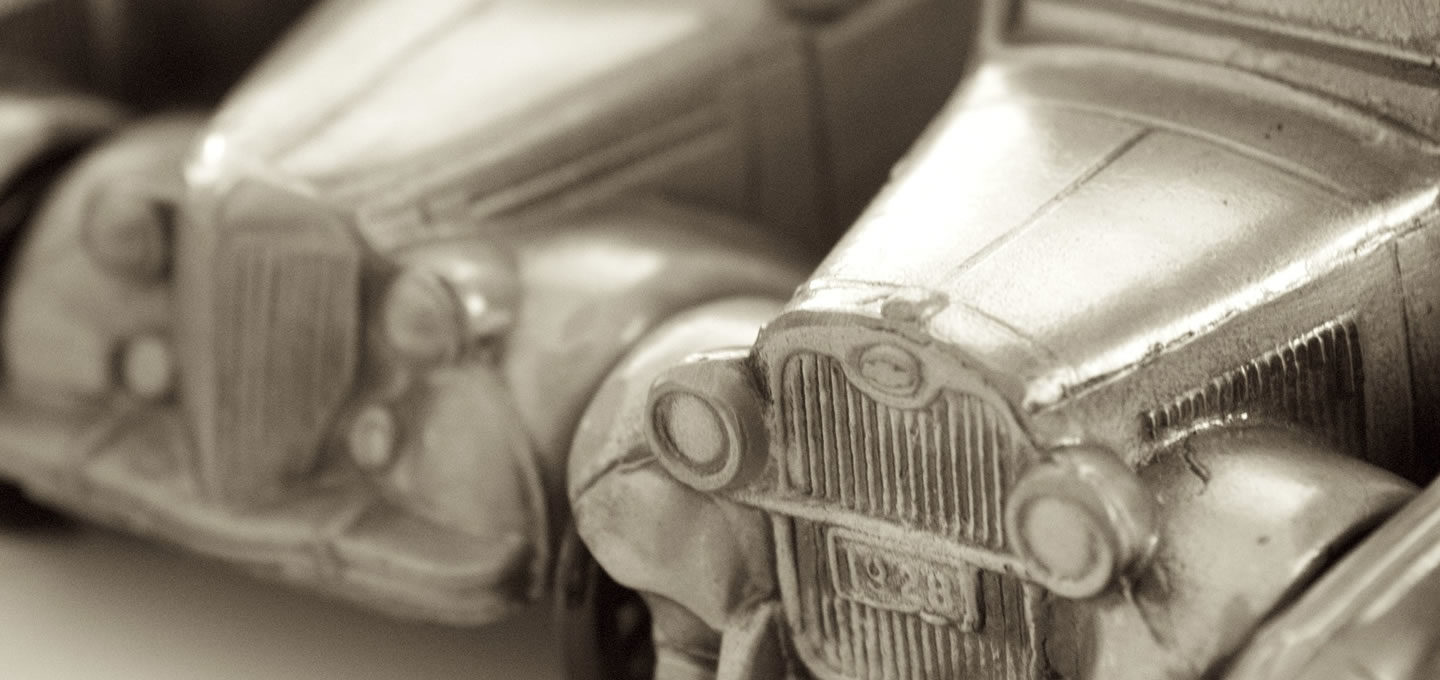
Whilst the vast majority of 3D printing is done with plastics, those looking to create something that looks and feels more premium are starting to print 3D moulds and then use that to create models from pewter or other premium alloys thanks to advancements in temperature resistant resins.
Pewter is composed of 85-99 percent tin mixed with copper, antimony, and bismuth, and is a low melting point alloy. This means it has a low melting point (approximately 170–230°C) and is therefore an ideal material for casting for figurines, ornaments, jewellery, or tankards.
Pewter pieces have their own unique colour and patina, and can be buffed or polished to a high gloss finish, or electroplated in gold or silver for beautiful jewellery. And the material has been in use for over 3,000 years, with the earliest piece of pewter found in Egyptian tomb dating from 1450 BC – and that is a tradition that modern artisans and jewellery-makers can built upon.
Form Labs has a great overview of every step needed to create a temperature resistant resign mould to create a cast-pewter figurine in the reassuringly heavy and cool material. Those at school or college may have traditionally used MDF to create a two-part re-usable mould, but 3D printed resin offers a more precise option, where the mould is made by computer rather than hand-tools and opens up the possibility of creating much more complex and intricate sacrificial moulds.
Nonetheless, the casting process is very similar whether you are using something like MDF or resin. The mould is created, paying careful attention to vents to let air bubbles escape. Once the mould has been created, and cured if resin, then you need find pewter suppliers to provide ingots of the alloy, which you then melt outside or in a well-ventilated workshop and pour into the mould.
Once the pewter has been poured into the mould, it will generally cool within 20 minutes or so, depending on the size of the model and amount of pewter used in the piece, and you can remove it from the mould. If you have a reusable mould, this means simple remove the clamps and opening the mould, or if using a sacrificial mould you can softly chip away the resin with a chisel, being careful to avoid scratching your piece.
Photograph by Mike Tribulas