
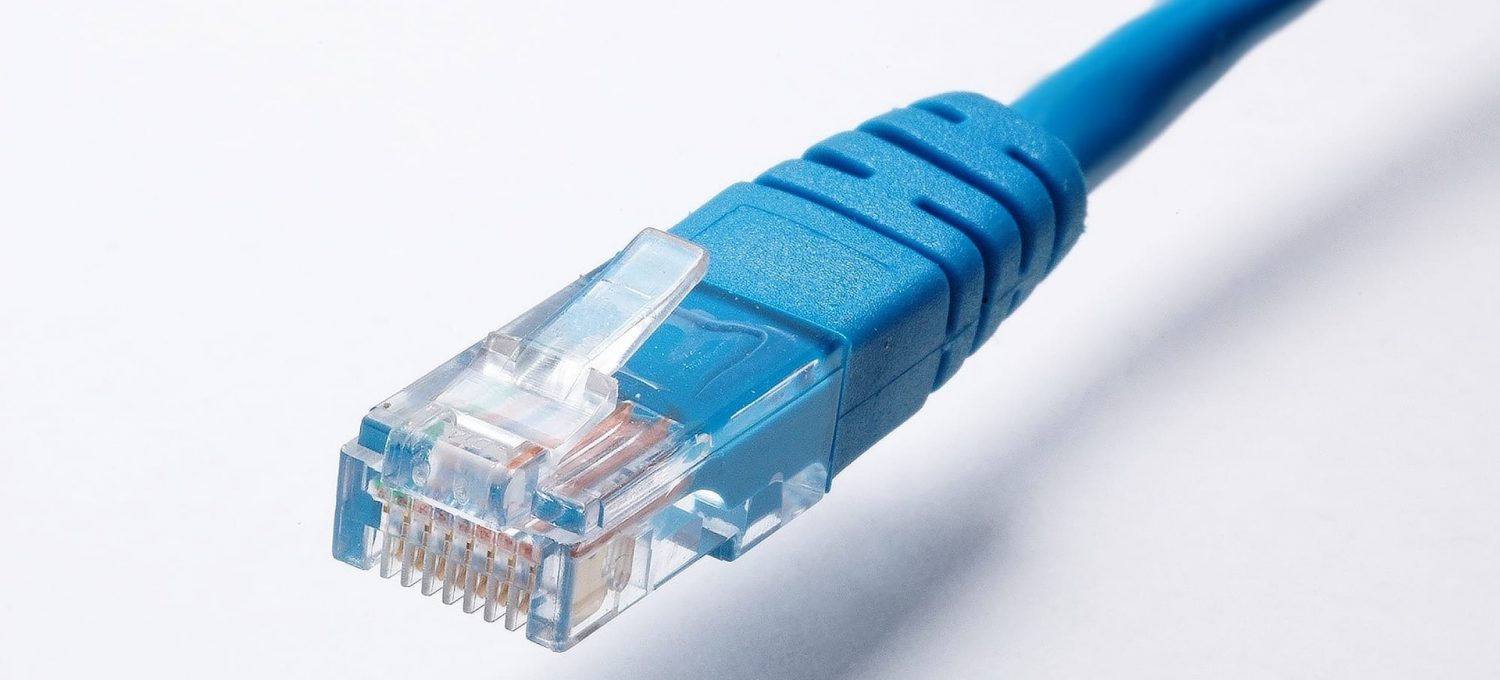
Power over Ethernet (PoE) is a technology that allows an electrical current to flow through Ethernet cables alongside data over a local area network (LAN), reducing the number of wires needed for each device and simplifying the network set up.
The original PoE standard dates back nearly two decades to 2003, where network engineers saw the need for a single wire to carry both power and data together to make it easier to setup connected devices like internet access points, which are often attached to the ceiling, which proved a difficult location to add wiring.
Today, mesh WiFi systems have taken over some of the original uses for PoE, with the connection boxes only requiring power cables and the data sent over WiFi, but the speed and security provided by a fully wired system still offers significant benefits in some use cases.
How does PoE work?
In a power over Ethernet setup, both power and data travel along the same cable. Both are kept separate to avoid any interference.
At one end of the cable, the power is added via and “injector”, and if the device at the other end is PoE compatible then it will receive power to function. If it is not compatible, the power needs to be split out via a “tap”, which can then be routed to the devices power jack.
What devices support PoE?
The 2003 PoE standard only provided enough power for access points and not much else. However, over the last couple of decades the IEEE and other independent manufacturers have added support for more power, but interoperability problems arose.
In 2018, the IEEE released 802.3bt, a new high-power PoE standard known as PoE+, which can supply up to 100W of power. This change was revolutionary to the marketplace and you can now find PoE+ supported by a wealth of devices including video surveillance cameras, WiFi and Wimax wireless access points, computer terminals, network audio, and even large LED TVs and lighting systems with the use of Cat5 or Cat6 cables.
What are the benefits for PoE?
PoE systems are easier to install as they require less cabling than other options, and they are globally universal – no need to know what shape plugs you will need in any particular country. This reduction in cabling makes PoE cheaper than running two cables.
The latest IEEE 802.3bz PoE standard is a safe option as it automatically stops current flow if there is a service interruption and secure, as physical wires will always be more protected than WiFi. And it is fast. It delivers speeds of 2.5 Gbps to 5 Gbps over 100 metres, which is much faster than WiFi
What are the downsides of PoE?
The main drawback of PoE cabling is the distance limit. PoE power transmission is limited to 100 m unless PoE extenders or other methods are used to supply power. This is a good distance for most use cases, bit when you have a larger building or compound to wire up it can be frustrating.
Beyond the distance limitation there have historically been interoperability issues with higher power PoE, but this was essentially solved by the new PoE+ standard launch in 2018. And PoE network switches tend to be more expensive than their data-only counterparts, but overall there should still be significant savings compared to running two cables to each device.
The final issue with PoE is that many devices are generally connected to a single PoE connection. This makes setup simpler and brings cost down, but it does mean if one device develops an issue it may take the whole network down. PoE does not have the redundancy if mesh systems built in.