
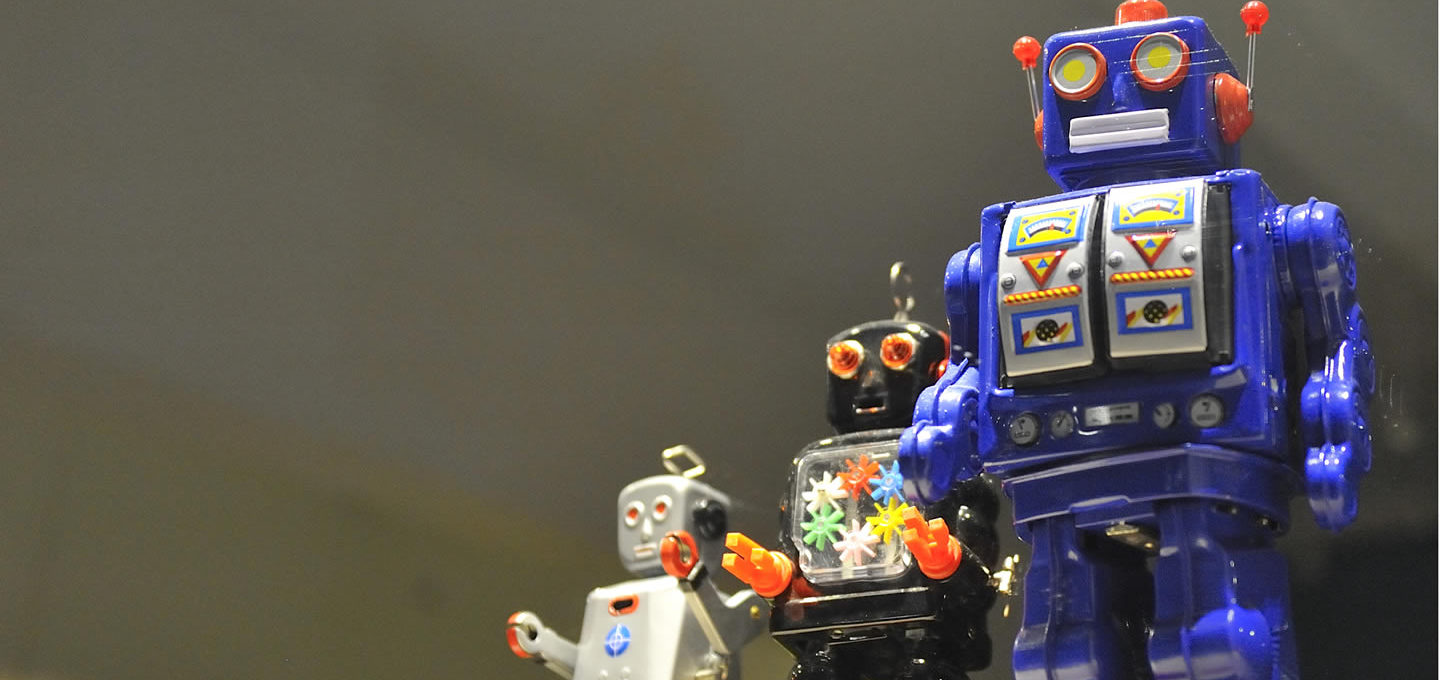
No, it’s not weird science – it is a future fact of life that you definitely need to start wrapping your mind around. Robots are already being used in precise medical operations and hospitals the world over. While many people fear that integrating robotics into our everyday lives is going to lead to less jobs, or even the end of the world ‘Terminator’ style, medical professionals don’t seem to share the same fears. If you are using a computer to help get through your masters of science in nursing online curriculum, you are more involved in robotics than you might think. Most may think of robots as computerized creations made to physically resemble humans, but artificial intelligence and robotics are two totally separate and distinct subjects. Here’s a good explanation on what robotics really is, and how it is positively shaping modern medicine as it is currently known.
Nanocams and Internal Medicine
Normally, for a surgeon to perform a lifesaving procedure, deep explorations into the human body must be made. These types of procedures can be highly invasive, putting the patient under a tremendous amount of physical stress, and even be put at risk. For someone suffering from a serious ailment, going through an invasive procedure is necessary because it is the only option available. Through the use of nanocams, which are tiny cameras hooked up to robotic control mechanisms, surgeons are able to view their patients without needing to make large incisions. Sometimes these nanocams are ingested by patients, giving doctors a timely and up close look at their digestive tracts. In other cases, nanocams are used during endoscopy procedures, enabling surgeons to see their patients inside and out.
Robotic Assisted Patient Care
CNAs, home health attendants and orderlies are often relied on to provide patient care support services, such as changing sheets and helping patients in and out of wheelchairs. Unfortunately, some parts of the world are experiencing a major shortage of qualified healthcare professionals. With limited staff, not all patients are getting the type of quality of care that they should be receiving. In Japan, a robot designed to literally do the heavy lifting in patient care services is being developed for widespread commercial production. If successful, not only will this development help to take robotics in medicine to a higher level, it will also prove that robots are capable of executing highly specialized tasks.
Using Robots in Place of Nurses and Doctors
As both doctors and nurses are required to earn continuing education credits, they are not always available to consult with patients on site. While video conferencing with your doctor might work if you are equipped to hold a quick chat, not all patients have these types of tools on hand. There has recently been talk of including more robotic devices in hospitals for patients that need to have consultations with specialized doctors who aren’t able to meet them in person. For a patient receiving cancer treatment, these types of robotics can be helpful when the staff oncologist is away on vacation for an extended period of time. There are some online nursing curriculums that outline how the healthcare world will change with the introduction of new robotic technologies, but for now, many robotic prototypes are still being closely analyzed by the FDA.
It may be hundreds of years before robots are performing unassisted surgeries, but that day will eventually come. Some of the most delicate procedures being performed in the world of medicine today have benefited because of the introduction of robotics in the operating room. Rather than fearing what these changes may look like, it may be better to start understanding just how many lives these programmable devices are saving.
Photograph by Rog01