
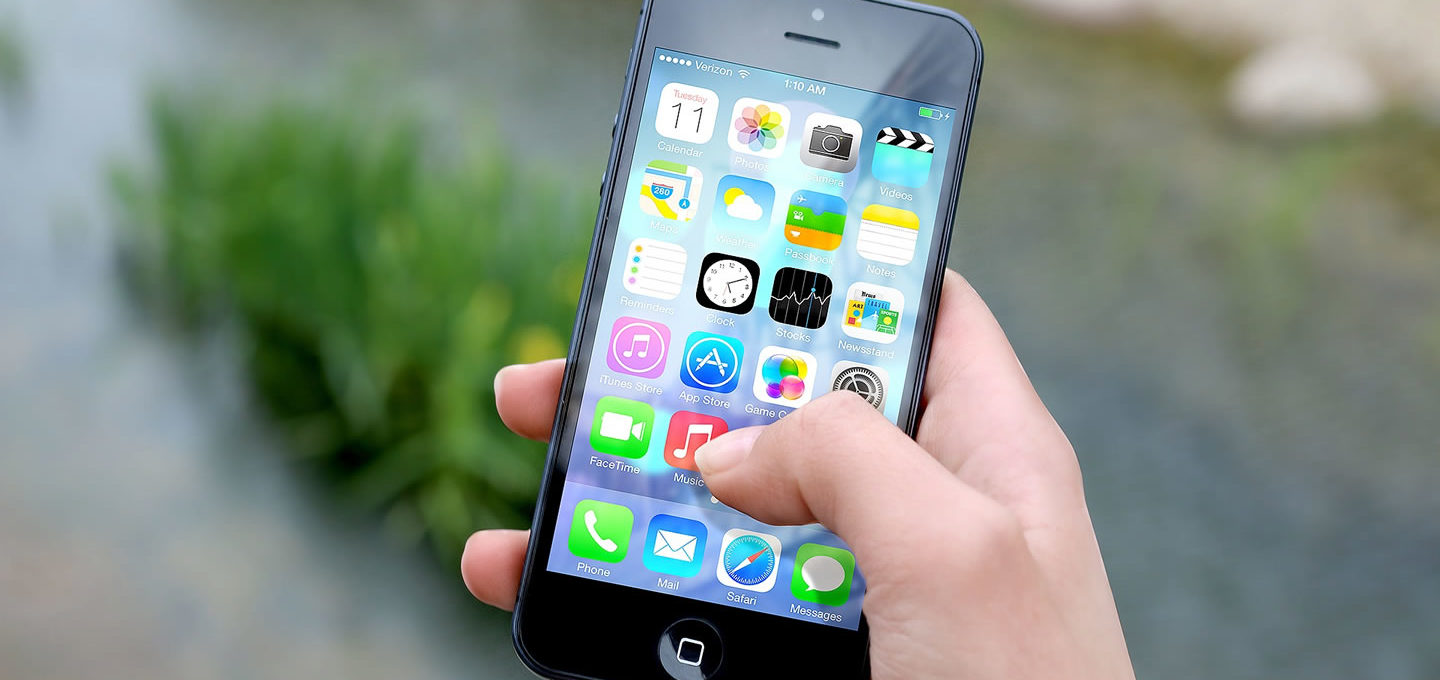
In 2008, 15.5% of people in the United Kingdom used a smartphone. By 2019, this penetration had risen to 82.9%. While the explosive growth of the 2010s has slowed significantly, the move of smartphones towards even greater ubiquity is still a given. From simple means of communication, smartphones became important tools, reaching deeply into our entertainment and even professional lives.
So why is it that, as far as smartphones have come, their forms of usage have begun to plateau? By taking a look at the history and the limitations of the systems as they currently exist, a greater pattern starts to reveal itself.
Achieving potential
Since the early days of the smartphone in the late 2000s, the development of system hardware and software was built around achieving their promise. As soon as the idea of smartphones reached the mainstream, their use as small computers served as a benchmark. Everything a PC could do, smartphones could do, at least in theory.
To a large extent, this explains the trajectory of smartphones over the 2010s. They were trying to catch up to the potential of PCs, with the advantages which mobile use could imply. At first, they struggled, but eventually, the power gap shrank, and their promise matched their reach.
Reaching a plateau
There was an idea among early smartphone speculators that the rise of the system potential would completely usurp other types of hardware. In some cases, such as with social media, this prediction wasn’t far off base. For other areas, very little progress was made at all. The reason for this, fundamentally, tied into the realities of input and display.
For a positive example of this, we could look at online casino games like blackjack. Originating back on PC in the late nineties, the online versions of these games like live and Atlantic City blackjack made a flawless landing on mobiles. Touch screen controls worked perfectly here, as did smaller displays, contributing to ongoing success.
Compare this concept to work uses such as replying to emails, or managing spreadsheets. In theory, mobiles can manage these uses fine, but in practice, they are more limited. Touch controls and small screens introduce inefficiency here that is ultimately self-defeating. This puts what seems to be a solid ceiling on work-integration for many users, acting as a definite plateau.
Not a bad thing
While mobiles might not be the all-in-one devices we once imagined them to be, this isn’t necessarily a bad thing. As they currently exist, mobiles are still going to grow to be more powerful, and more popular as the industry and our culture continues to grow. The plateau that they’ve reached in some regards was an inevitability, an indication of industry maturity.
Ultimately, the usage we have for mobiles could be more an individual one based on preference than overall trends. For some people, mobiles could find a home as the only way they engage with at-home media. For others, the advantages of more traditional methods might remain king. There’s room enough for everyone, and as long as the experiences continue to evolve, that’s a good thing.
Photograph by JESHOOTS