
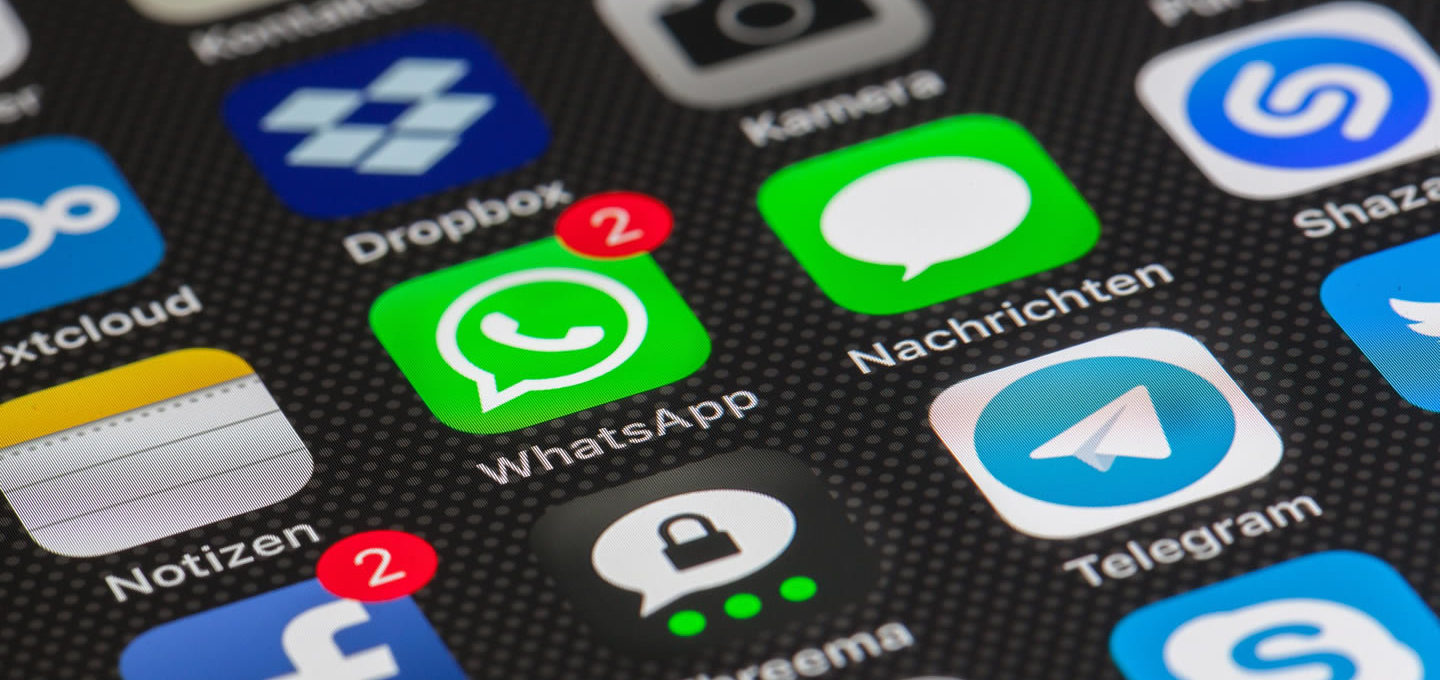
With communication more important than ever right now, there’s never been a better time to own a great smartphone. What a great phone looks like will be different for every user, but there are some universal qualities you should be looking for no matter who you are. Your budget and other factors will determine what kind of phone you’re looking for, of course, but by and large, a good phone is a good phone. So, how do you make sense of what you’re looking for? Here’s our guide on how you can buy a great smartphone and what to try and spot while you’re shopping.
Speed
First and foremost, a good smartphone needs to be fast. Whether you’re playing for high stakes on a site like casimba.com or you’re playing the latest and greatest game, your phone needs to be as zippy and responsive as you can afford. The most important thing to look for when you’re judging the speed of a smartphone is its processor clock speed. Don’t be fooled by the number of cores in a processor; this doesn’t necessarily equate with speed. The Samsung Galaxy S20’s Exynos processor has varying clock speeds depending on the core, but the highest is 2.73GHz, so that’s the gold standard right now.
RAM
While the processor is arguably responsible for raw speed in a smartphone, the RAM – that is, Random Access Memory – determines how effective the phone is at multitasking. Depending on how you intend to use the phone, you may decide that you need a lot of RAM or you may decide this isn’t too important. More than 6-8GB of RAM really isn’t necessary for the vast majority of users, as Android has built-in smart memory management and you won’t be using a huge amount of programs at once. Still, if you go too low – say, 2GB – you’ll notice your phone getting sluggish when you switch programs, so prioritise accordingly.
Display resolution
While a lot of modern smartphones come with built-in 4K displays, you may decide that this factor isn’t really necessary when you’re buying a phone. Back in 2015, Cnet decided that 4K screens in phones were overkill, and it’s hard to disagree. While the display itself does look pretty gorgeous in 4K phones, the screen is so small that you’ll barely notice the difference on a day-to-day basis. For most users, a 1080p or 1440p screen will more than suffice. If you’re using your phone to watch Netflix or Amazon Prime Video content on a regular basis, then 4K may be better, but this isn’t necessarily something you need to prioritise.
Audio capabilities
Many modern smartphones don’t come equipped with 3.5mm headphone jack sockets anymore. As smartphones get more technologically capable and manufacturers need more real-estate in the phone, removing the headphone jack means there’s more space to play with when adding new components. There’s also the fact that many manufacturers have Bluetooth headsets of their own to sell, so removing the headphone jack pushes you towards buying those. You should make the decision as to whether a 3.5mm jack is important to you or not. Some phones do still have them, but this tech is quickly becoming obsolete, so now may be the time to make the jump to Bluetooth.
Storage space and expandable storage
Whether or not you need large amounts of storage space on your phone will depend entirely on what you’re using it for. If you want to download and use a lot of apps, then it’s a good idea to get a phone with a high internal storage capacity. 64GB should suffice, but for the real power user, nothing less than 128GB will satisfy. Most users won’t even see the bottom of that capacity. If your storage will mainly consist of photos, videos, and other files, consider getting a smaller phone with an expandable micro SD storage slot. That way, you can download some apps to your phone’s internal storage and keep all of your files on the micro SD card.
Battery life
Are you frequently going to be in a place where you can charge your phone easily and without hassle? If so, then a large battery may not be a necessity for you. If you’re going to find yourself in places where you can’t easily charge your phone for extended periods of time, then you may want to consider buying a phone with bigger battery capacity. Generally, you’re going to find bigger batteries at the lower-cost end of the spectrum, because a bigger battery doesn’t leave room for many other components. Long battery life tends to be the selling point of a phone rather than power, too, so longer battery life usually means the phone is a little slower.
4G vs. 5G
Right now, we don’t have widespread 5G coverage, but in a few years, we will. If you want to make sure your phone is future-proof and that you won’t need to replace it for internet speed reasons further down the line, then you should buy a 5G-ready phone. Modern flagships tend to be 5G-ready, but a lot of budget options do include the technology as well. Again, for the vast majority of users, 5G probably won’t be too useful right now, but as we move into the future – especially if you live in a city – 5G is going to become more and more necessary. 5G will be pretty darn fast, too, so if you are lucky enough to live in an area that already has this tech, you need a 5G phone.
Photograph by Lobo Studio Hamburg